



July 22, 2026
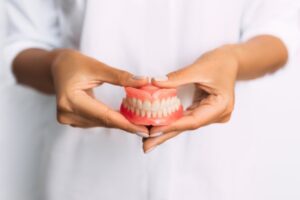
Dentures are designed to restore your ability to eat, speak, and smile with confidence, but they aren’t meant to last forever. Over time, normal wear and changes in your mouth can affect how well your dentures fit and function. Continuing to wear dentures that are damaged or no longer fit properly can lead to discomfort and even oral health problems.
If you’ve had your dentures for several years, here are 4 signs it may be time to replace them.
One of the most common reasons dentures need to be replaced is a poor fit. After tooth loss, your jawbone naturally begins to shrink because it no longer receives stimulation from tooth roots. As the shape of your gums and jaw changes, dentures that once fit perfectly can become loose.
Loose dentures may slip while you’re eating or speaking, making everyday activities frustrating and uncomfortable. They can also create sore spots by rubbing against your gums.
In some cases, a denture reline may restore the fit. However, if your dentures are older or significantly worn, replacing them may provide a more comfortable and secure solution.
Even high-quality dentures experience wear over time. Years of chewing can gradually flatten the artificial teeth, reducing your ability to bite and chew efficiently. You may also notice small chips, cracks, or fractures in the denture base.
Damaged dentures aren’t just a cosmetic concern. Cracks can weaken the appliance and create areas where bacteria may accumulate. Continuing to wear broken dentures increases the risk of further damage and may affect your oral health.
Your dentist can determine whether your dentures can be repaired or whether replacement is the better option.
If you’ve started having trouble chewing foods you once enjoyed or notice your dentures slipping while talking, your dentures may no longer be functioning properly.
As dentures wear down or lose their fit, they become less stable, making it harder to pronounce certain words and chew efficiently. This may even cause you to avoid nutritious foods that are more difficult to eat.
New dentures are designed to restore proper function, allowing you to enjoy a wider variety of foods and speak with greater confidence.
Over time, denture teeth can become stained, worn, or less lifelike. Changes in your jawbone may also affect the appearance of your smile, making your face look sunken or causing your dentures to appear less natural.
Modern dentures are made with advanced materials that closely resemble natural teeth and gums. Replacing an older set can improve both the appearance of your smile and the support provided to your facial muscles, giving you a more youthful look.
Most dentures last between 5 and 10 years, although the exact lifespan varies depending on the materials used, how well they’re cared for, and changes in your oral anatomy. If your dentures feel loose, show signs of wear, or no longer allow you to eat and speak comfortably, schedule an appointment with your dentist. They can evaluate your dentures, discuss whether a reline, repair, or replacement is appropriate, and help you enjoy a comfortable, functional, and confident smile for years to come.
Arts Family Dentistry of Dallas has a tried-and-true, affordable solution to your missing teeth: dentures! We personalize our prosthetics to restore any number of missing teeth you may have, and if you’re interested in a more stable and longer-lasting restoration, we partner with local specialists for implant dentures. Plus, our in-house savings plan makes your care more affordable. Book online with us or call (214) 203-1145.